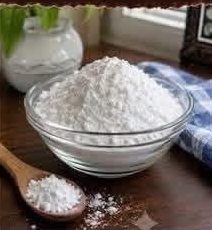
Baking soda is a common household ingredient that has become popular in homemade skincare recipes. It is often promoted online as a simple solution for dark spots, wrinkles, uneven skin tone, and dark circles. Because baking soda is inexpensive and easy to find, many people are curious about using it as a natural facial treatment.
However, before applying baking soda to your face, it is important to understand how it may affect your skin. Baking soda is alkaline, while healthy skin has a naturally acidic surface known as the skin barrier. Applying alkaline substances to the face may disrupt this barrier, especially when they are used frequently or in concentrated mixtures.
Can Baking Soda Remove Dark Spots?
Dark spots can develop for many reasons, including sun exposure, acne marks, hormonal changes, and skin inflammation. Although baking soda is sometimes described as a natural brightening ingredient, there is not enough reliable evidence to show that applying baking soda to the skin safely removes hyperpigmentation.
In fact, harsh homemade treatments may irritate the skin and potentially make discoloration more noticeable. Skin irritation can trigger additional pigmentation, particularly in people who are prone to post-inflammatory hyperpigmentation.
A gentler skincare routine is generally a better approach for improving uneven skin tone. Daily sunscreen, moisturizing, and properly formulated products containing ingredients such as niacinamide or vitamin C may be more appropriate options.
Baking Soda and Wrinkles
Wrinkles are a natural part of aging and are influenced by genetics, sun exposure, collagen changes, and lifestyle factors. Baking soda cannot restore lost collagen or reverse the biological aging process.
Because baking soda can act as a mild abrasive, rubbing it on the face may temporarily make the surface feel smoother. This effect should not be confused with actually reducing wrinkles. Excessive exfoliation can damage the skin barrier and leave the face dry, irritated, or sensitive.
For mature skin, maintaining hydration and protecting the skin from ultraviolet radiation are much more useful foundations for a healthy-looking complexion.
Can Baking Soda Reduce Dark Circles?
Dark circles can have several causes, including genetics, pigmentation, allergies, lack of sleep, visible blood vessels, and changes in the skin around the eyes. Baking soda is not a proven treatment for these causes.
The skin around the eyes is particularly delicate. Applying baking soda close to the eyes may cause irritation and should be avoided. If dark circles are persistent, identifying their underlying cause is more useful than relying on a strong homemade ingredient.
Simple habits such as adequate sleep, sun protection, and gentle moisturizing can help improve the overall appearance of the eye area.
Why Baking Soda May Irritate Your Skin
One of the main concerns with facial baking soda treatments is its alkalinity. The skin’s protective barrier works best within a mildly acidic environment. Repeatedly changing this environment may interfere with normal barrier function.
Possible reactions include dryness, tightness, redness, itching, burning, peeling, or increased sensitivity. People with sensitive or easily irritated skin may be especially likely to experience these problems.
Another concern is physical exfoliation. When baking soda is rubbed against the skin, the particles can create friction. Using abrasive ingredients too aggressively can lead to irritation rather than healthier-looking skin.
A Safer Approach to Homemade Skincare
If you prefer simple skincare, you do not need to use harsh kitchen ingredients. A gentle cleanser, a fragrance-free moisturizer, and broad-spectrum sunscreen can provide a much safer basic routine.
For uneven pigmentation, look for skincare products formulated specifically for facial skin. Ingredients such as niacinamide, azelaic acid, vitamin C, and certain retinoids are commonly used in evidence-based skincare routines, although individual suitability varies.
When introducing a new product, use it gradually and follow its instructions. Patch testing can also help identify possible irritation before applying a product more widely.
What About Mixing Baking Soda With Other Ingredients?
Online recipes sometimes recommend combining baking soda with ingredients such as lemon juice, honey, yogurt, or water. Natural does not necessarily mean gentle or safe.
Lemon juice, for example, can be irritating to the skin and may increase sensitivity to sunlight. Combining several potentially irritating ingredients can make a homemade treatment even more difficult to tolerate.
If a skincare mixture causes burning, significant redness, swelling, or persistent discomfort, wash it off and stop using it. Severe or continuing reactions should be evaluated by a healthcare professional.
How to Care for Dark Spots Naturally
Instead of trying to scrub dark spots away, focus on preventing additional pigmentation and supporting the skin barrier. Sun protection is especially important because ultraviolet exposure can darken existing pigmentation and contribute to premature skin aging.
Apply sunscreen regularly when spending time outdoors and consider wearing protective clothing or seeking shade during strong sunlight. Keeping the skin moisturized can also help maintain a healthy barrier and improve the appearance of dryness and fine lines.
Patience is important as well. Many types of hyperpigmentation fade gradually rather than disappearing overnight.
Final Thoughts
Baking soda may be useful around the home, but that does not make it an ideal facial skincare ingredient. Claims that baking soda can eliminate wrinkles, erase dark spots, or remove dark circles are not supported by strong evidence. Its alkaline nature and abrasive texture may cause irritation, dryness, and damage to the skin barrier when used improperly.
For healthier-looking skin, a gentle routine is usually the better choice. Cleanse without harsh scrubbing, moisturize regularly, protect your skin from the sun, and choose facial products designed and tested for skincare use.
If you have persistent dark spots, significant pigmentation, or concerns about wrinkles or changes around the eyes, a dermatologist can help determine the cause and recommend treatments suited to your skin type. A simple, consistent routine is often much safer and more effective than aggressive homemade remedies.