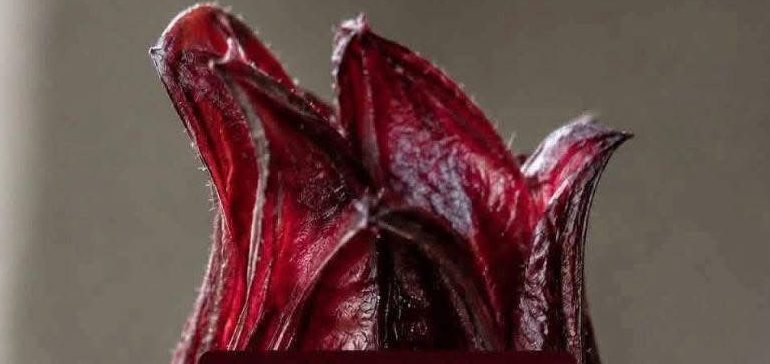
Hibiscus tea is a refreshing herbal drink made from the dried calyces of the hibiscus plant, commonly known as Hibiscus sabdariffa. With its deep red color and naturally tart flavor, hibiscus tea has become popular among people looking for a simple, caffeine-free beverage that may also support overall wellness.
You may have seen claims that drinking hibiscus tea for 10 days can “cleanse the kidneys,” regulate blood pressure and cholesterol, remove excess fluids, and activate fat loss. While hibiscus tea does contain beneficial plant compounds, these claims need some important context. There is no proven 10-day detox that can cleanse the kidneys or automatically burn body fat. However, research suggests that hibiscus tea may have several potential health benefits when consumed as part of a balanced lifestyle.
What Is Hibiscus Tea?
Hibiscus tea is usually prepared from the dried red calyces of Hibiscus sabdariffa. The plant is rich in naturally occurring compounds such as anthocyanins, polyphenols, and organic acids. These compounds contribute to the tea’s bright color, tart taste, and antioxidant properties.
The tea can be enjoyed hot or cold and is naturally caffeine-free. Many people drink it plain, while others add lemon, mint, cinnamon, or a small amount of natural sweetener.
Can Hibiscus Tea Cleanse the Kidneys?
One of the most common claims surrounding hibiscus tea is that it “cleanses” or detoxifies the kidneys. The kidneys already have an important natural role in filtering waste and maintaining fluid and mineral balance in the body.
There is currently no good evidence that drinking hibiscus tea for exactly 10 days removes toxins from healthy kidneys or provides a special kidney cleanse. Staying hydrated and maintaining healthy blood pressure, blood sugar, and lifestyle habits are much more important for long-term kidney health.
Hibiscus tea can be part of a healthy hydration routine, but it should not be considered a treatment for kidney disease, kidney stones, or other kidney conditions.
Hibiscus Tea and Blood Pressure
Blood pressure is one area where hibiscus has attracted scientific interest. Some studies have found that consuming hibiscus beverages may modestly lower blood pressure in certain adults, particularly people with elevated blood pressure.
The effect is not guaranteed, and hibiscus tea should not replace prescribed blood pressure medication. People who take medication for hypertension should also be aware that combining it with hibiscus may potentially lower blood pressure too much.
If you have high blood pressure, regular monitoring and guidance from a healthcare professional remain essential.
Does Hibiscus Tea Lower Cholesterol?
Hibiscus contains antioxidants and other plant compounds that may influence cardiovascular health. Some research has investigated whether hibiscus consumption can improve cholesterol and triglyceride levels.
The results are promising but not strong enough to describe hibiscus tea as a guaranteed cholesterol-lowering treatment. Cholesterol management is best approached through an overall healthy diet, regular physical activity, maintaining a healthy weight, and medication when prescribed.
Replacing sugary drinks with unsweetened hibiscus tea can still be a useful dietary choice because it provides flavor without adding large amounts of sugar.
Can Hibiscus Tea Help With Weight Loss?
Another popular claim is that hibiscus tea “activates fat loss.” There is not enough evidence to say that drinking hibiscus tea for 10 days directly burns a significant amount of body fat.
However, unsweetened hibiscus tea can be a helpful low-calorie alternative to soft drinks, sweetened juices, and other high-sugar beverages. Reducing overall calorie intake can support weight management over time.
The most effective approach to healthy weight loss combines a nutritious eating pattern, appropriate calorie intake, physical activity, adequate sleep, and consistency.
Does Hibiscus Tea Remove Excess Water?
Hibiscus may have mild diuretic effects, meaning it could increase urine production in some people. This may temporarily affect the amount of water retained in the body.
However, losing water is not the same as losing body fat. Any short-term change on the scale caused by fluid loss should not be confused with actual fat loss.
Drinking excessive amounts of hibiscus tea in an attempt to “flush” the body can also be counterproductive, especially for people taking medications that affect blood pressure or fluid balance.
How to Make Hibiscus Tea
A simple hibiscus tea recipe requires only dried hibiscus flowers or calyces and water.
For one cup, add about 1 to 2 teaspoons of dried hibiscus to hot water and steep for approximately 5 to 10 minutes. Strain the tea and enjoy it warm or allow it to cool for an iced version.
For a larger batch, steep the dried hibiscus in several cups of hot water, then refrigerate after cooling. Avoid adding large amounts of sugar if your goal is to make the drink a healthier alternative to sweetened beverages.
Is It Safe to Drink Hibiscus Tea for 10 Days?
For many healthy adults, moderate amounts of hibiscus tea are generally considered a reasonable beverage choice. However, “natural” does not automatically mean suitable for everyone.
People taking blood pressure medication or other medicines should speak with a healthcare professional before regularly consuming large amounts of hibiscus tea. Pregnant or breastfeeding individuals should also seek professional advice before using hibiscus in concentrated amounts.
If you experience dizziness, unusually low blood pressure, stomach discomfort, or another concerning reaction, stop drinking the tea and seek appropriate medical advice.
The Bottom Line
Hibiscus tea can be a flavorful, caffeine-free addition to a healthy diet, and research suggests it may offer antioxidant benefits and potentially modest support for healthy blood pressure. However, there is no scientific basis for saying that a 10-day hibiscus tea routine will “cleanse” the kidneys, remove toxins, or automatically activate fat burning.
The best way to benefit from hibiscus tea is to treat it as one small part of a healthy lifestyle rather than a quick detox or weight-loss solution. Choose unsweetened hibiscus tea, stay adequately hydrated, eat a balanced diet, remain physically active, and consult a healthcare professional if you have a medical condition or take medication.
In short, hibiscus tea can be a healthy beverage choice, but there is no magic 10-day cleanse. Your kidneys already perform the body’s filtration process, while lasting improvements in blood pressure, cholesterol, and body weight require consistent habits over time.