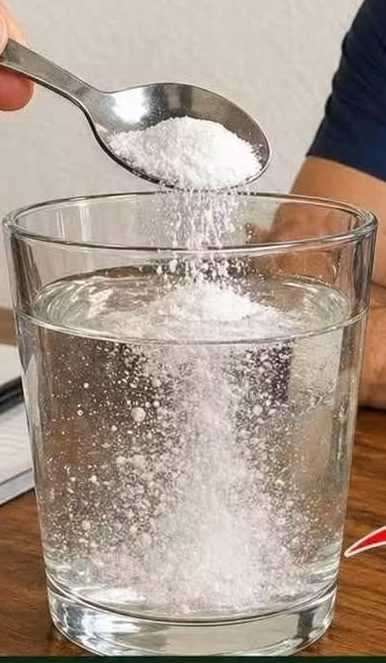
Adding a small amount of salt to water has become a popular wellness trend, especially among people looking for simple ways to improve hydration, energy, and circulation. Social media posts often claim that drinking salt water can make your blood circulation feel “younger” or dramatically improve circulation at any age. While these claims can sound appealing, the science is more nuanced.
Salt contains sodium, an essential electrolyte that helps the body maintain fluid balance, support nerve function, and regulate muscle activity. However, more salt does not automatically mean better circulation. For most healthy people, ordinary drinking water together with a balanced diet provides enough fluids and sodium throughout the day.
Why Does the Body Need Sodium?
Sodium is an essential mineral that the body needs in relatively small amounts. It helps regulate the amount of fluid in and around cells and plays an important role in nerve and muscle function.
When you sweat heavily, especially during prolonged exercise or hot weather, your body loses both water and electrolytes. In these situations, replacing fluids and electrolytes can be useful. This is one reason electrolyte drinks are commonly used by athletes and people performing strenuous physical activity.
For everyday hydration, however, adding salt to every glass of water is generally unnecessary.
Can Salt Water Improve Blood Circulation?
Healthy circulation depends on many factors, including heart function, blood vessels, physical activity, blood pressure, smoking status, diet, and overall health.
There is no good evidence that a simple glass of salted water can make circulation behave as though you are decades younger. In fact, consuming too much sodium can contribute to increased blood pressure in some people, which is an important consideration for cardiovascular health.
If your goal is to support healthy circulation, regular physical activity, adequate hydration, a balanced diet, maintaining a healthy weight, avoiding tobacco, and following medical advice are much more meaningful strategies.
A Simple Electrolyte Drink
If you have been sweating heavily or exercising for a long period, an electrolyte drink may be more appropriate than plain salted water. A simple homemade option can include water, a small amount of sodium, and a source of carbohydrate.
For example:
- 2 cups of water
- A small amount of salt
- A squeeze of fresh lemon
- A small amount of fruit juice for flavor and carbohydrates
The amount of sodium needed depends on the situation. There is no universal recipe that everyone should drink every day. Commercial oral rehydration solutions are specifically formulated for situations where fluid and electrolyte replacement is medically appropriate.
Hydration Matters for Everyday Wellness
Water is essential for nearly every system in the body. Good hydration supports normal temperature regulation, digestion, circulation, and physical performance.
Many people can maintain adequate hydration simply by drinking water regularly and eating foods that naturally contain water. Fruits and vegetables can contribute significantly to daily fluid intake.
If you feel thirsty, drinking water is usually a sensible first step. During hot weather or exercise, you may need more fluids than usual.
When Electrolytes May Be Useful
Electrolytes can become particularly important when the body loses substantial amounts of fluid through sweating, vomiting, or diarrhea. Athletes who exercise for extended periods may also benefit from electrolyte replacement depending on the intensity and duration of their activity.
However, electrolyte supplementation is not automatically better than water. The appropriate choice depends on the amount of fluid and electrolyte loss and a person’s individual circumstances.
Be Careful With Too Much Salt
Although sodium is essential, excessive sodium intake can be a concern. Many foods already contain significant amounts of sodium, including processed foods, sauces, instant meals, snacks, and restaurant foods.
Regularly adding extra salt to drinks may unnecessarily increase your sodium intake. People who have been advised by a healthcare professional to limit sodium should be particularly cautious about salt-water trends.
It is also important not to use salt water as a treatment for high blood pressure, circulation problems, heart disease, or other medical conditions.
Better Ways to Support Healthy Circulation
If you want to support your cardiovascular health naturally, focus on habits that have broader evidence behind them. Regular walking, cycling, swimming, or other physical activity can help maintain cardiovascular fitness. Eating a varied diet rich in vegetables, fruits, whole grains, legumes, nuts, and other nutrient-dense foods can also contribute to overall health.
Adequate sleep, avoiding tobacco, managing stress, and attending recommended health checkups are additional parts of a healthy lifestyle.
If you regularly experience cold hands or feet, swelling, leg pain when walking, numbness, chest discomfort, shortness of breath, or other concerning symptoms, it is better to speak with a healthcare professional rather than trying a homemade drink as a solution.
Final Thoughts
Salt water can provide sodium and fluids, but it is not a magic drink for improving circulation or reversing the effects of aging. Sodium is an essential electrolyte, and replacing electrolytes can be useful in specific situations such as prolonged intense exercise or significant fluid loss.
For everyday hydration, plain water and a balanced diet are usually sufficient for most healthy adults. Instead of relying on viral health claims, think of hydration, nutrition, exercise, and cardiovascular habits as parts of a bigger picture.
SEO Title: Salt Water for Hydration: Benefits, Electrolytes, and Circulation
Meta Description: Learn how salt water affects hydration, electrolytes, and circulation, plus when electrolyte drinks may be useful and what to consider before adding salt to water.
Focus Keyword: salt water benefits
Slug: salt-water-benefits-hydration-electrolytes
Keywords: salt water benefits, salt water for hydration, electrolytes, sodium and hydration, healthy circulation, electrolyte drink, hydration tips, sodium intake